Blood-Brain Barrier Models: Revolutionizing CNS Drug Development
The human brain is protected by one of the body’s most sophisticated defense systems: the blood-brain barrier (BBB). This highly selective barrier regulates the movement of molecules between the bloodstream and the brain, ensuring a stable environment for proper neurological function. While essential for protecting the brain from toxins and pathogens, the BBB also presents a major challenge in drug development, preventing many promising therapies from reaching their target. Today, advanced human cell-based BBB models are helping researchers better understand this barrier and accelerate the development of safer, more effective treatments for neurological diseases.
What Is the Blood-Brain Barrier?
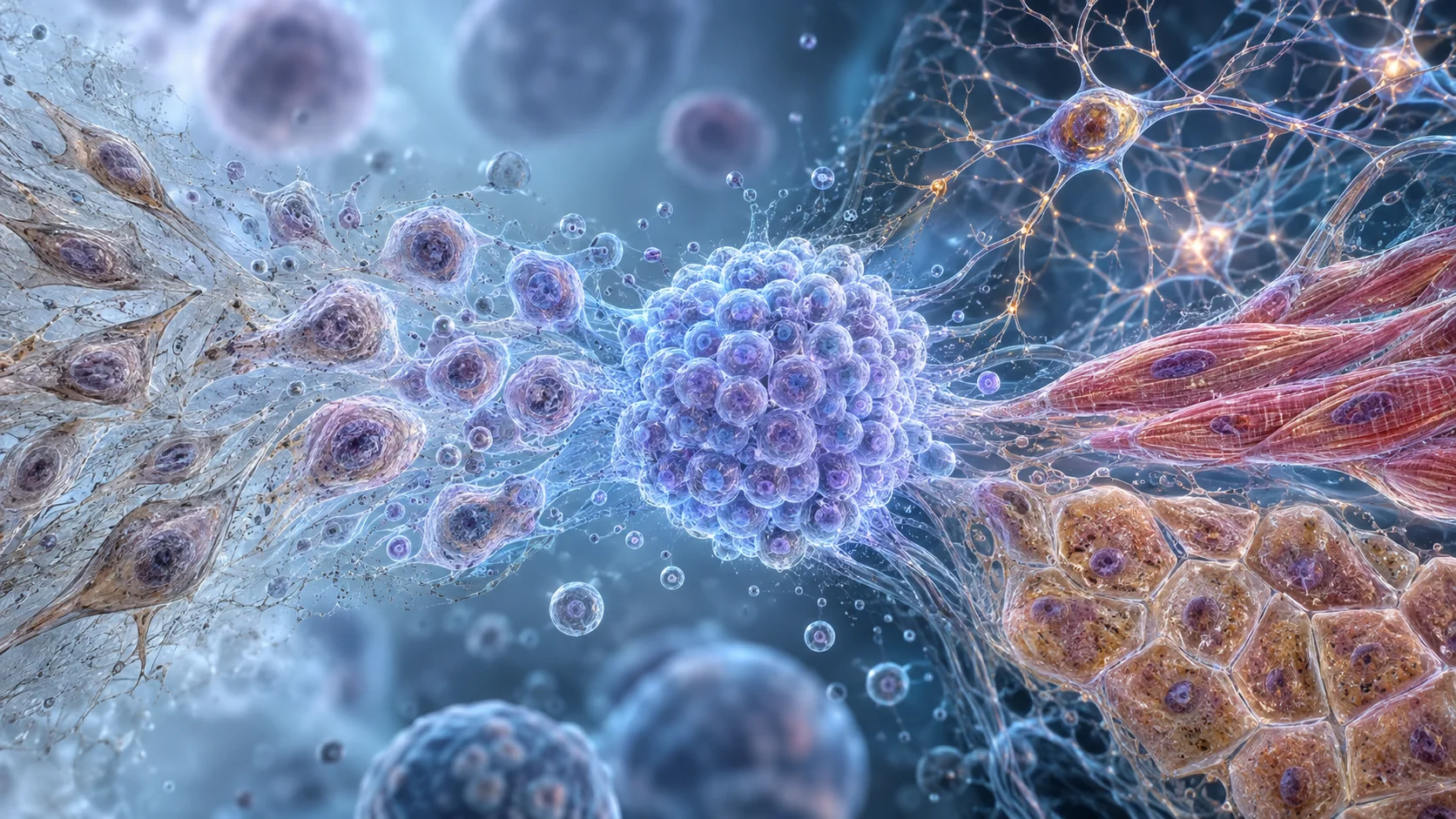
The blood-brain barrier is a specialized network of brain endothelial cells, supported by astrocytes, pericytes, and the basement membrane. Together, these cells form a tightly regulated interface that controls which substances can enter the brain. Its primary role is to maintain brain homeostasis by allowing nutrients and oxygen to pass through while blocking harmful chemicals, pathogens, and toxins. However, this same protective function also limits the delivery of many therapeutic compounds, making the BBB one of the biggest obstacles in treating central nervous system (CNS) disorders.
Why Are Better BBB Models Needed?
Developing drugs for neurological diseases has historically been difficult because conventional laboratory models often fail to accurately mimic the complexity of the human BBB. Animal models have provided valuable insights, but differences between species can lead to poor prediction of how drugs will behave in humans.
To improve preclinical research, scientists are increasingly using human cell-based in vitro models that better replicate the structure and function of the BBB. These systems provide more reliable data while supporting the global shift toward reducing animal testing.
Modern Blood-Brain Barrier Models
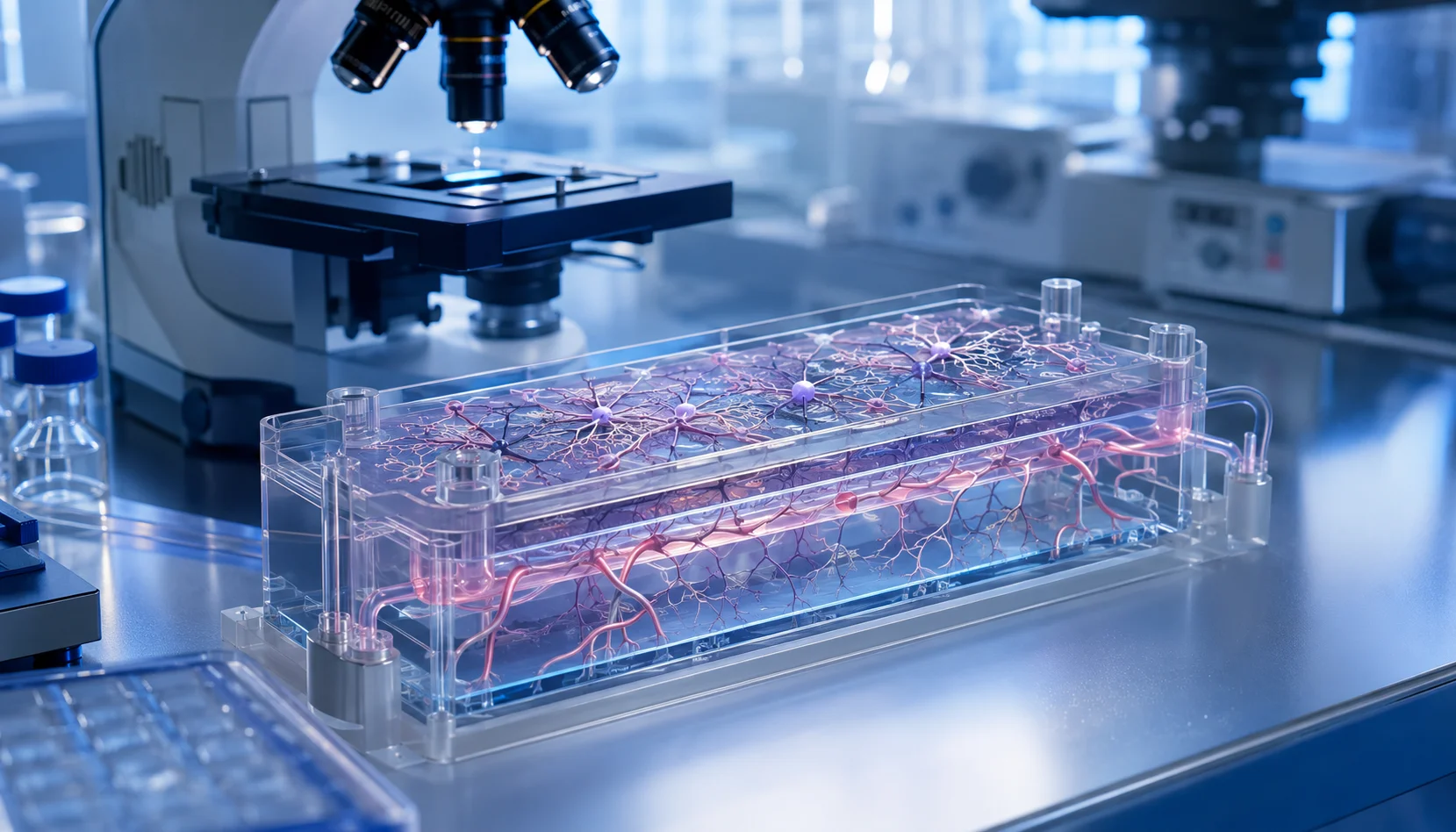
Recent advances in cell culture technologies have significantly improved the way researchers study the BBB. Traditional Transwell models remain widely used for evaluating drug permeability and barrier integrity, while more advanced co-culture systems combine multiple human cell types to recreate the interactions found within the neurovascular unit. One of the most promising innovations is the blood-brain barrier-on-a-chip. By integrating human cells into microfluidic devices, these models simulate dynamic conditions such as fluid flow and cell-to-cell communication, providing a more physiologically relevant environment for drug testing and disease research.
Applications in Drug Discovery
BBB models have become an essential tool throughout the drug development process. Researchers use them to evaluate whether drug candidates can cross the barrier, assess potential neurotoxicity, and investigate diseases such as Alzheimer’s disease, Parkinson’s disease, and brain tumors. These models also support the development of targeted therapies by allowing scientists to study how different compounds interact with the BBB before progressing to clinical studies. As a result, they help improve decision-making during early-stage research while reducing both development time and costs.
Looking Ahead
As biotechnology continues to evolve, BBB models are becoming increasingly sophisticated. The integration of organ-on-chip platforms, patient-derived cells, and artificial intelligence is expected to further improve the predictive accuracy of preclinical testing. These next-generation models not only enhance our understanding of neurological diseases but also contribute to the broader transition toward more human-relevant and animal-free research methods.
Conclusion
The blood-brain barrier remains one of the greatest challenges in CNS drug development. However, advances in human cell-based models and microphysiological technologies are providing researchers with more accurate tools to study brain biology and evaluate new therapies. As these innovations continue to develop, BBB models will play an increasingly important role in creating safer, faster, and more effective treatments for neurological disorders.