Understanding how human diseases develop requires models that can accurately reflect human biology. Traditional cell lines and animal models have played an important role in biomedical research, but they cannot always reproduce the complexity or patient-specific characteristics of human disease.
Induced pluripotent stem cells (iPSCs) offer a different approach. By reprogramming mature human cells back into a pluripotent state, researchers can generate cells capable of developing into many different specialized cell types. This creates new opportunities for studying disease mechanisms, evaluating drug responses, and developing more human-relevant research models.
What Are Induced Pluripotent Stem Cells?
iPSCs are stem cells generated by reprogramming mature somatic cells, such as skin or blood cells, into a pluripotent state.
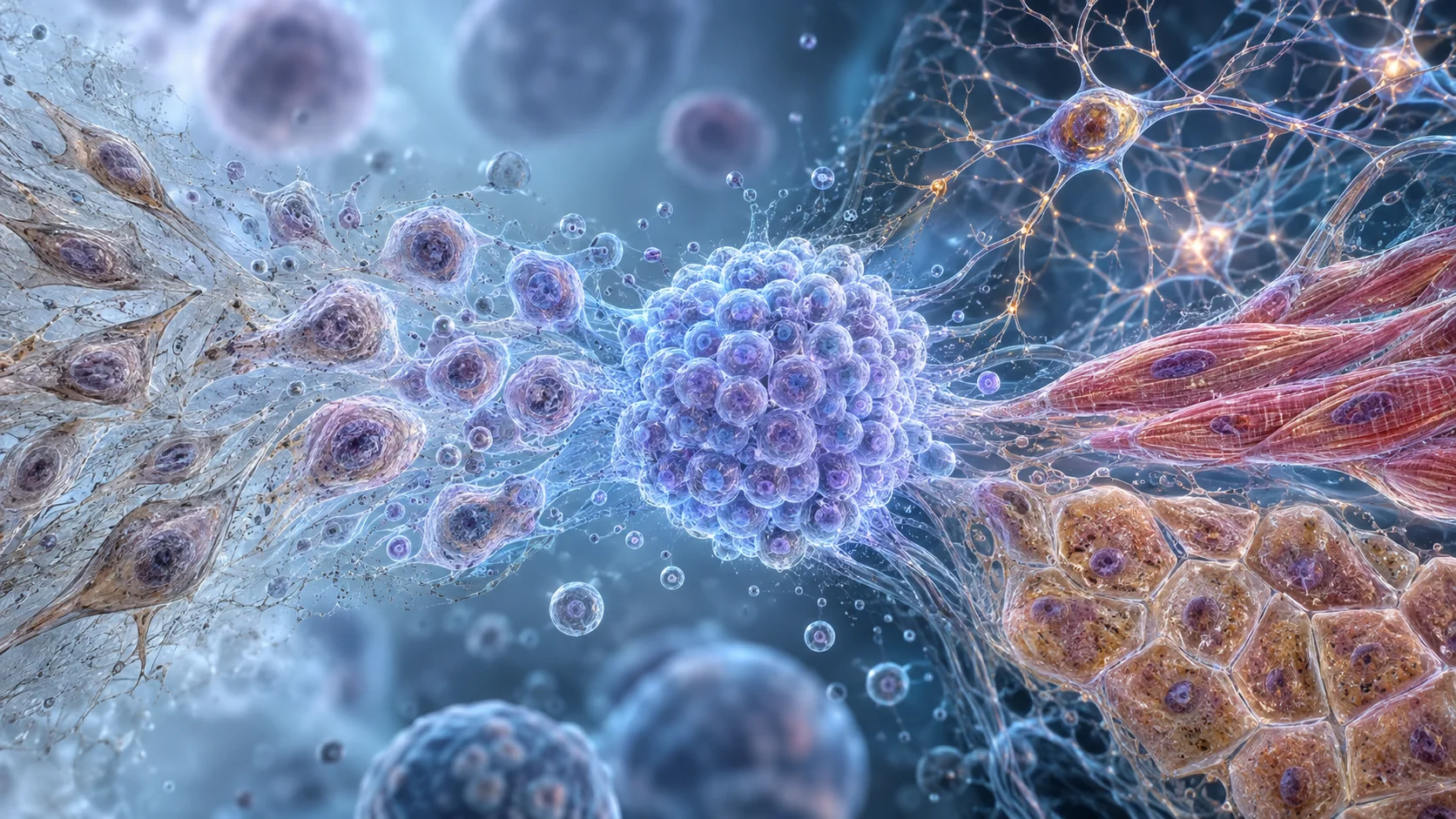
Once reprogrammed, these cells can be directed to differentiate into specialized cell types, including:
- Neurons
- Cardiomyocytes
- Hepatocytes
- Pancreatic cells
- Blood and immune cells
This ability makes iPSCs a versatile starting point for creating human cell models that would otherwise be difficult to obtain directly from patients. By differentiating iPSCs into disease-relevant cell types, researchers can generate flexible human cell sources that can be studied individually or incorporated into increasingly complex in vitro models.
How Are iPSCs Created?
The process begins with the collection of mature cells from a donor. These cells are then reprogrammed to return to a pluripotent state using specific molecular factors.
After successful reprogramming, the resulting iPSC line can be expanded and characterized before being guided toward a desired cell type.
The process essentially creates a renewable source of human cells that can be used for research. When cells originate from a patient, the resulting iPSC-derived models can retain important aspects of that individual’s genetic background, making them particularly valuable for disease research and precision medicine.
iPSCs in Disease Modeling
One of the most important applications of iPSC technology is disease modeling.
Researchers can generate iPSCs from individuals with specific genetic or disease characteristics and differentiate them into the cell types affected by the condition. This makes it possible to investigate disease-associated cellular phenotypes in a controlled laboratory environment.
iPSC-based models have been particularly valuable in studying neurological and cardiovascular diseases, genetic disorders, and other conditions where access to relevant human tissues can be limited.
As these models become more sophisticated, iPSCs can also be incorporated into 3D organoids and other advanced human-relevant systems, providing researchers with increasingly complex models of tissue-level biology.
iPSCs and Drug Discovery
iPSC-derived cells can also support different stages of drug discovery.
Researchers can expose disease-relevant human cells to potential therapeutic compounds and evaluate changes in cellular function, morphology, or disease-associated phenotypes. This can help identify promising candidates and investigate how different treatments affect human cells.
Because iPSC-derived models can reflect patient-specific biology, they may also help researchers understand why individuals respond differently to the same treatment. This makes iPSC technology particularly relevant to precision medicine and patient-specific drug research.
From iPSCs to More Complex Human Models
The potential of iPSCs extends beyond individual cell types.
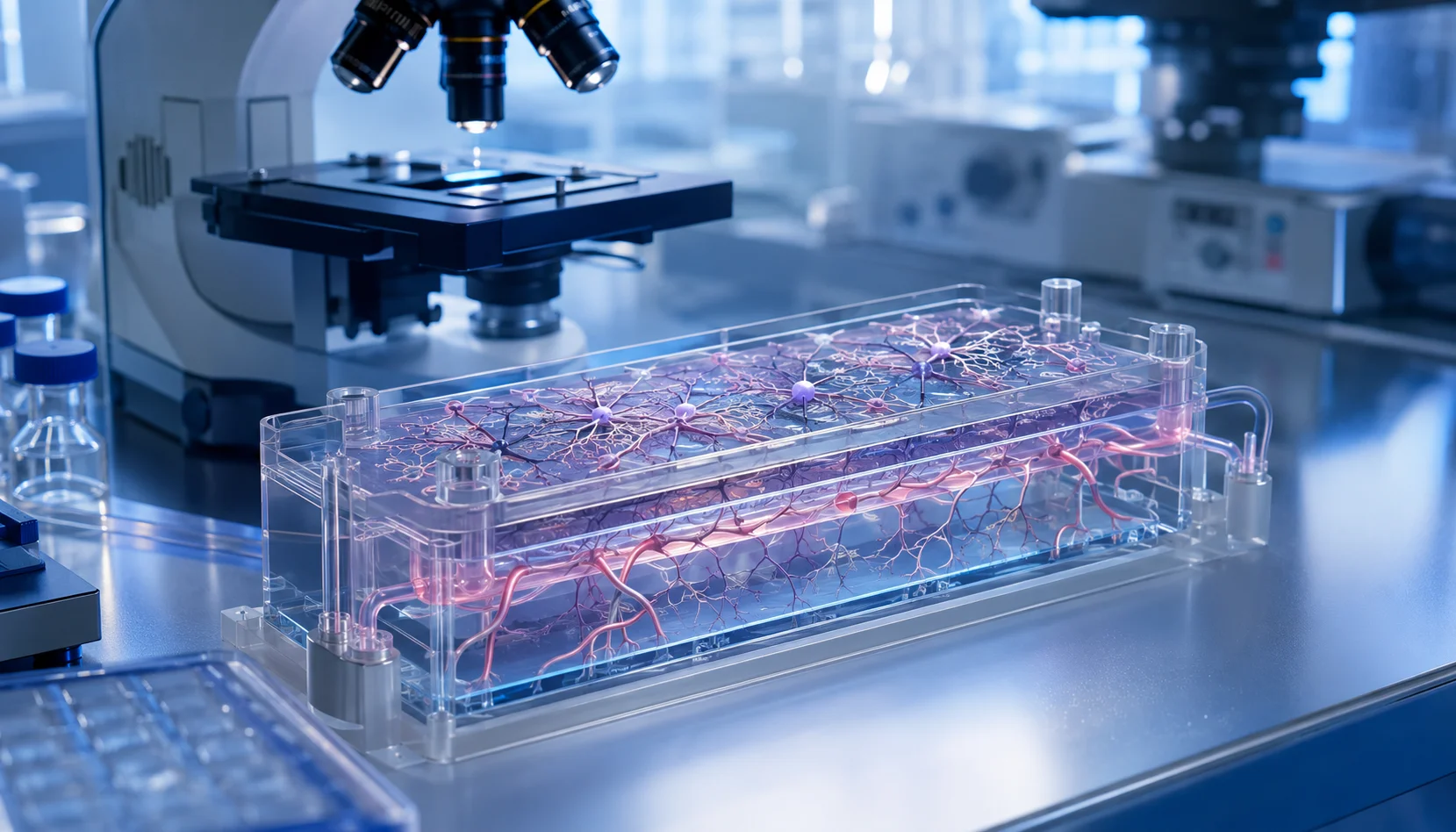
When combined with technologies such as organoids, organ-on-a-chip platforms, and Microphysiological Systems (MPS), iPSC-derived cells can become part of more complex models that reproduce multiple aspects of human tissue function.
This integration is particularly important because many diseases cannot be fully understood by studying isolated cells alone. Tissue architecture, cell-cell communication, extracellular matrix interactions, and mechanical signals can all influence disease biology.
Challenges and Future Perspectives
Despite their potential, iPSC-based models still have limitations. Differences between iPSC lines, variability during differentiation, and the tendency of some derived cells to retain immature characteristics can affect experimental reproducibility and physiological relevance.
Improving differentiation protocols, quality control, cell maturation, and model standardization will therefore remain important areas of research.
As these challenges are addressed, iPSCs are expected to become increasingly valuable for creating human-relevant disease models, supporting drug discovery, and advancing personalized approaches to biomedical research.
Conclusion
Induced pluripotent stem cells have opened a new way of studying human biology by allowing researchers to generate disease-relevant cell types from accessible human cells. Their applications range from disease modeling and drug discovery to precision medicine and advanced tissue models.
When combined with technologies such as organoids, organ-on-a-chip platforms, and MPS, iPSCs can contribute to increasingly sophisticated in vitro models of human physiology and disease. As the technology continues to mature, iPSCs will remain an important part of the transition toward more predictive and human-relevant biomedical research.