High-Content Screening (HCS): Advancing Drug Discovery Through Intelligent Cell Analysis
Modern drug discovery requires more than simply determining whether cells survive a treatment. Researchers also need to understand how compounds influence cell morphology, protein expression, organelle function, and other complex biological responses. High-Content Screening (HCS) addresses this need by combining automated microscopy with advanced image analysis, enabling scientists to collect detailed information from thousands of cells simultaneously.
As human-relevant in vitro models continue to evolve, HCS has become an essential technology for generating more comprehensive and reliable biological data.
What Is High-Content Screening?
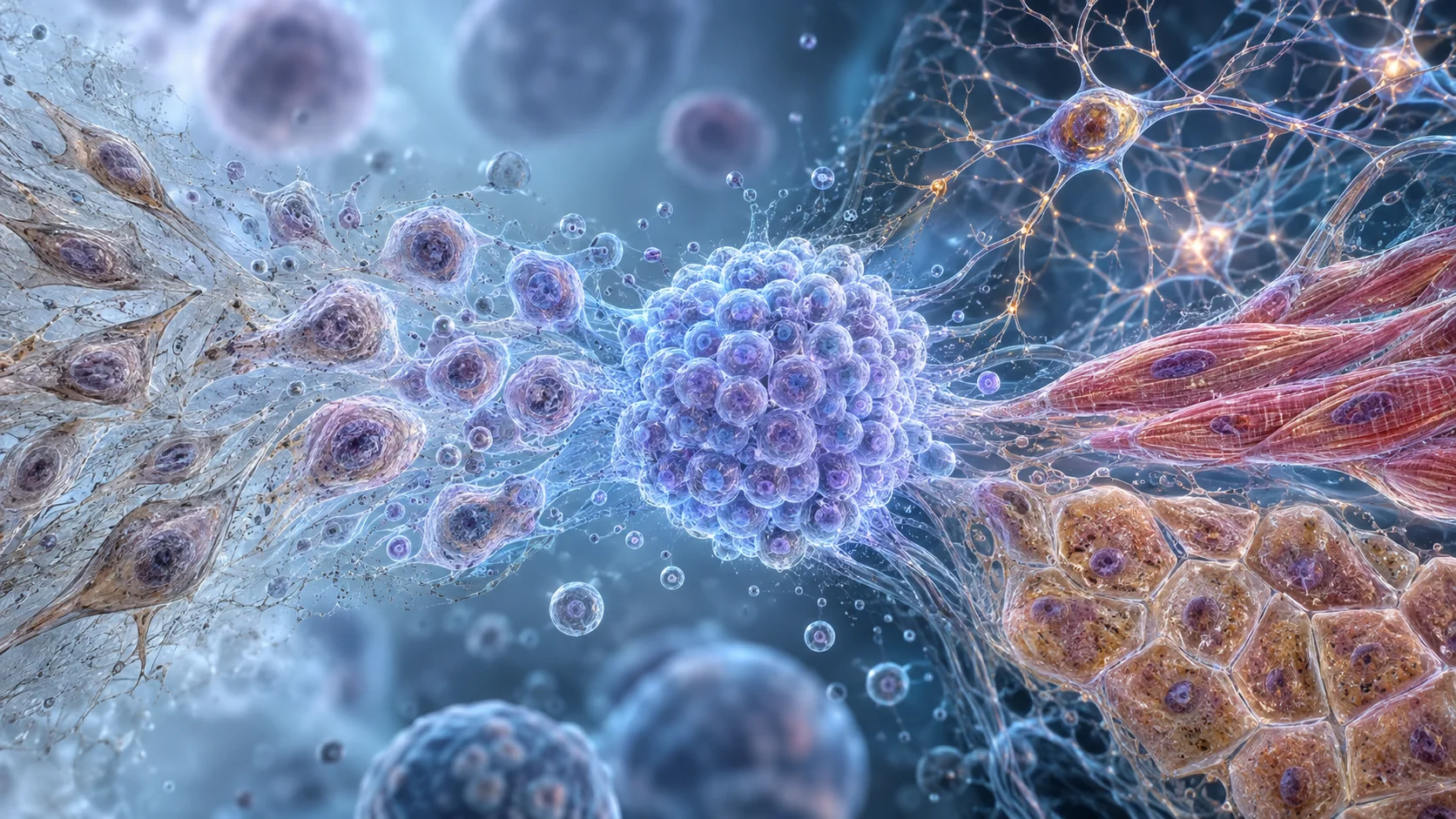
High-Content Screening is an imaging-based analytical method that captures multiple characteristics of cells within a single experiment. Unlike traditional assays that often provide a single measurement, HCS evaluates a wide range of cellular features, including cell morphology, viability, protein localization, organelle function, and structural changes.
Unlike High-Throughput Screening (HTS), which typically measures a single endpoint, High-Content Screening collects multiple quantitative parameters from individual cells simultaneously. This multiparametric approach enables researchers to generate a more comprehensive understanding of cellular responses.
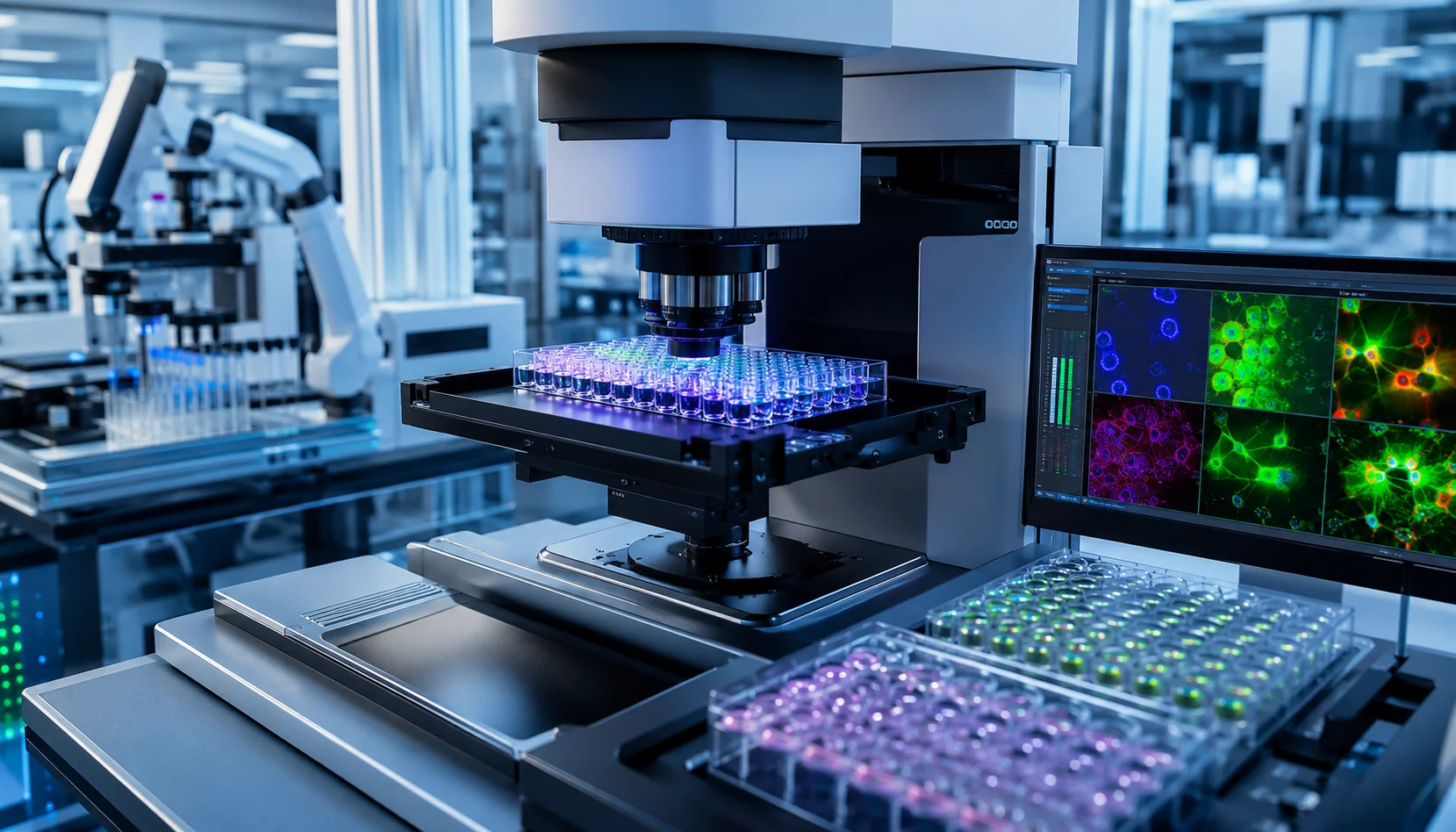
Using automated fluorescence microscopy and specialized software, researchers can rapidly analyze large numbers of samples while gaining deeper insights into cellular behavior.
Why Is HCS Important?
Drug candidates can produce subtle biological effects that are not always detected by conventional screening methods. High-Content Screening allows researchers to observe these changes at the cellular level, helping identify both therapeutic benefits and potential safety concerns earlier in the development process. By providing multiparametric data, HCS improves decision-making and reduces the likelihood of advancing ineffective compounds into later stages of research.
Applications in Biomedical Research
High-Content Screening is widely used across pharmaceutical and biomedical research. In drug discovery, it supports the identification of promising compounds by evaluating complex cellular responses rather than relying on a single endpoint. HCS also plays an important role in in vitro toxicology, where detailed imaging helps researchers detect early signs of cellular stress or toxicity. In addition, the technology is increasingly applied in cancer biology, neurodegenerative disease research, stem cell studies, and organoid-based experiments, where understanding cellular complexity is essential.
The Future of High-Content Screening
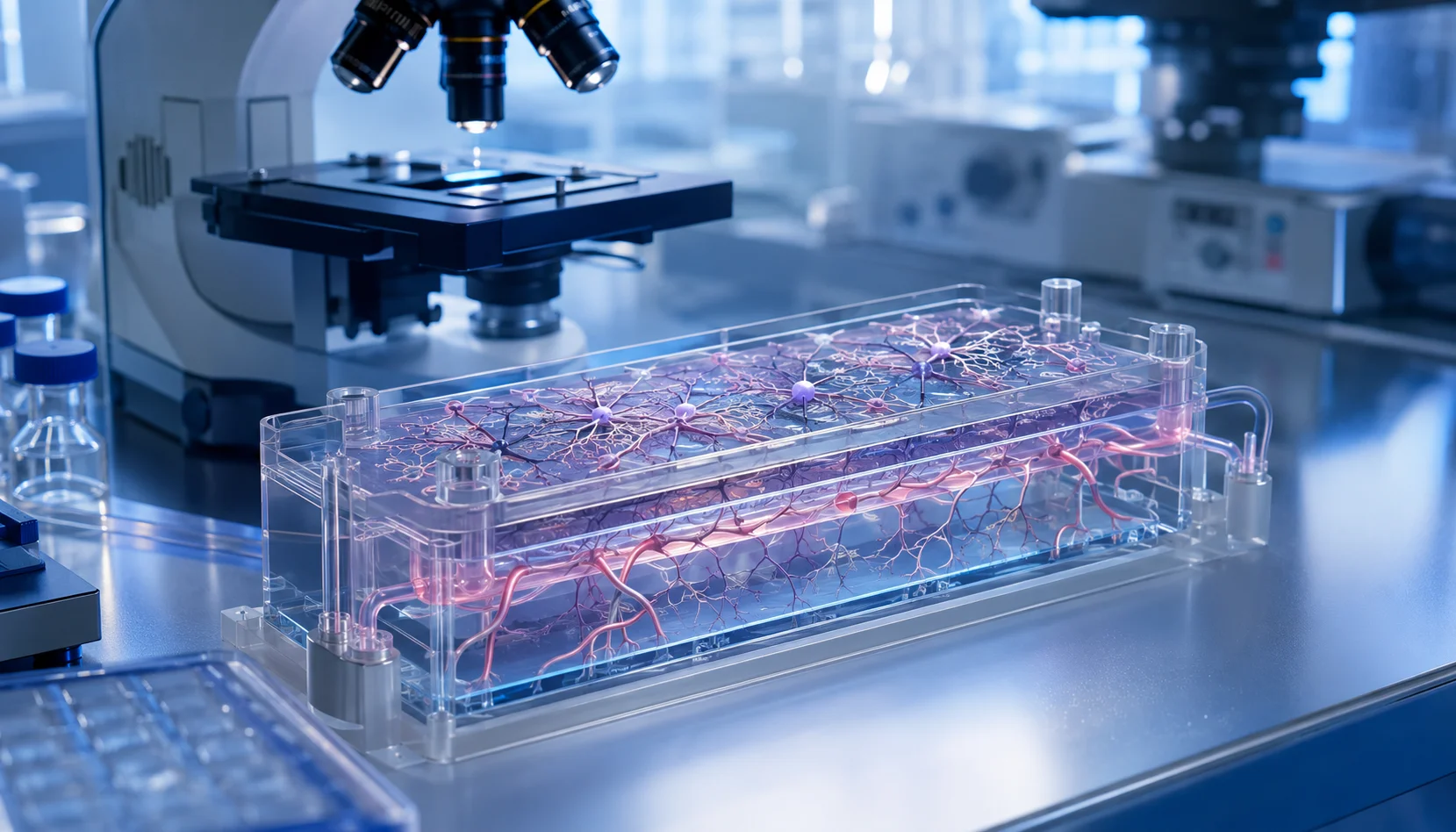
Recent advances in artificial intelligence and machine learning are expanding the capabilities of HCS even further. AI-powered image analysis enables researchers to process large datasets more efficiently while identifying patterns that may be difficult to detect manually. Combined with technologies such as Microphysiological Systems (MPS), patient-derived organoids, and organ-on-a-chip platforms, High-Content Screening is helping create more predictive models for human biology and accelerating the development of safer therapies.
Conclusion
High-Content Screening has become a valuable tool for modern biomedical research by providing a deeper understanding of cellular responses than conventional assays alone. Through the integration of automated imaging, advanced analytics, and human-relevant models, HCS is improving drug discovery, toxicology testing, and disease research. As imaging technologies and artificial intelligence continue to evolve, High-Content Screening will play an increasingly important role in the future of in vitro research.