Why Dynamic Cell Culture Outperforms Static Cell Culture
Discover how dynamic cell culture systems better mimic the human body by improving nutrient delivery, waste removal, and experimental reliability.
Why Cell Culture Conditions Matter
Cell culture is one of the most widely used techniques in biomedical research. Traditionally, cells have been grown in static environments such as Petri dishes or culture flasks. While this method has supported decades of scientific progress, it does not fully reproduce the conditions cells experience inside the human body.
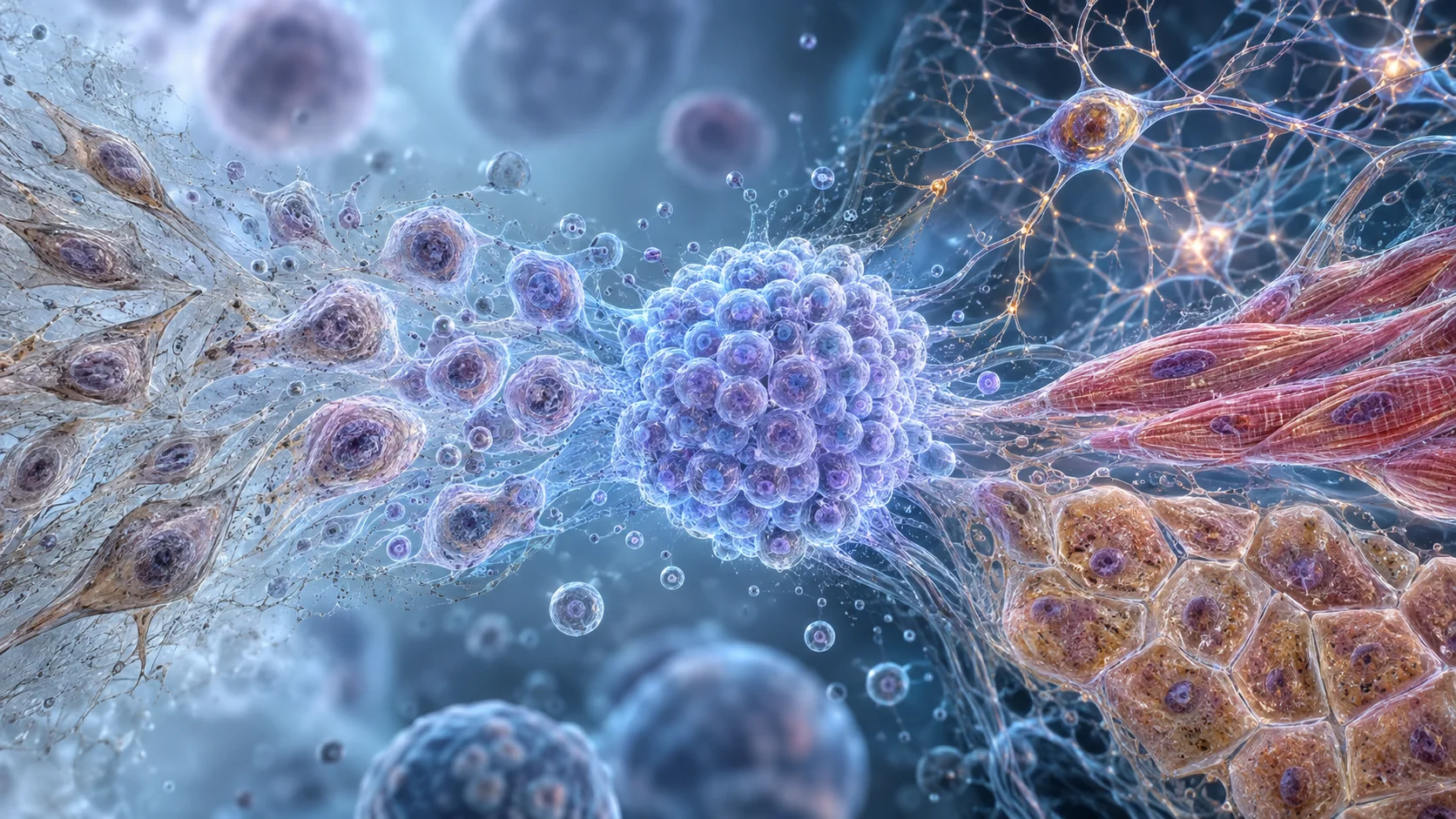
Dynamic cell culture offers a more physiologically relevant environment than conventional static culture by continuously circulating the culture medium around the cells. This creates conditions that more closely resemble living tissues, where nutrients, oxygen, signaling molecules, and metabolic waste are constantly moving.
Static vs. Dynamic Cell Culture
In static cell culture, cells remain in a stationary medium that is replaced only at specific intervals. As nutrients decrease and waste products accumulate, the cellular environment gradually changes. These fluctuations can affect cell behavior, reduce experimental consistency, and limit how closely the model reflects human biology.
Dynamic cell culture systems continuously supply fresh nutrients while removing metabolic waste. Many dynamic systems also generate controlled fluid flow and physiologically relevant shear stress. This controlled environment helps maintain healthier cells and improves the consistency of experimental results.
| Feature | Static Cell Culture | Dynamic Cell Culture |
|---|---|---|
| Medium Movement | Stationary medium with periodic replacement | Continuous or controlled medium circulation |
| Nutrient Delivery | Limited over time as nutrients are consumed | More consistent nutrient and oxygen supply |
| Waste Removal | Waste products can accumulate between medium changes | Metabolic waste is removed more efficiently |
| Physiological Relevance | Less representative of in vivo conditions | Better mimics the dynamic environment of living tissues |
| Experimental Reliability | May show variability due to changing culture conditions | Supports more stable and reproducible results |
Why Dynamic Cell Culture Performs Better
Unlike static systems, dynamic culture provides a continuous exchange of nutrients, oxygen, and signaling molecules while preventing the buildup of waste products. These conditions support normal cellular function and create an environment that more closely resembles human physiology.
Better Nutrient Delivery
Dynamic systems help cells receive a more stable supply of nutrients and oxygen throughout the experiment.
Efficient Waste Removal
Continuous medium movement reduces the accumulation of metabolic waste around the cells.
More Reliable Results
A controlled culture environment improves consistency and supports more predictive research outcomes.
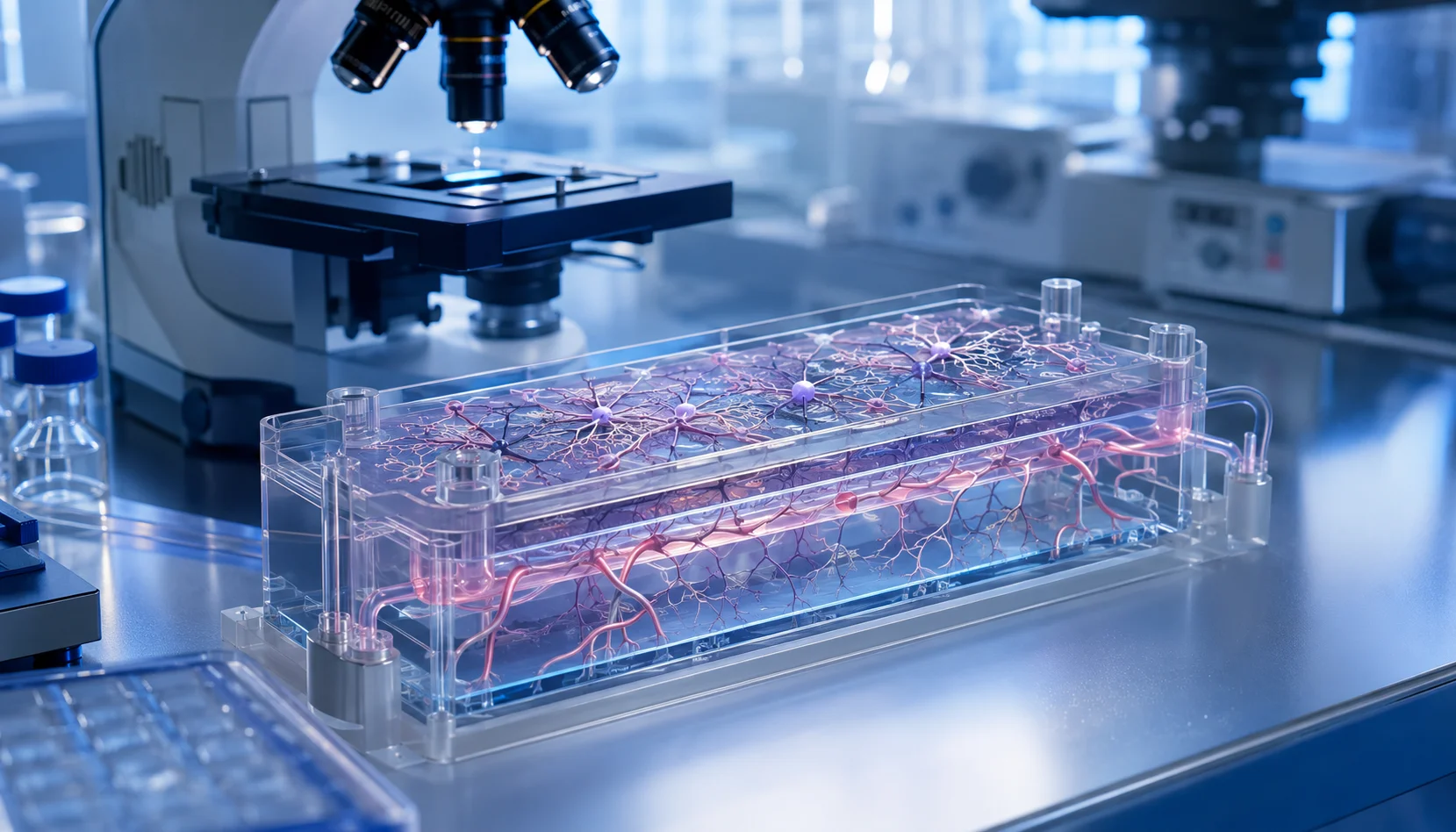
Dynamic culture is particularly beneficial for advanced in vitro models, including 3D tissue constructs and Organ-on-a-Chip platforms. By improving cell viability and promoting more natural cell behavior, researchers can obtain data that is more predictive of human responses.
Dynamic vs. Static Cell Culture: Dynamic systems better mimic human biology because they create a more active, controlled, and physiologically relevant microenvironment for cells.
Applications in Modern Research
Dynamic cell culture is becoming increasingly important in drug discovery, toxicology, tissue engineering, and cosmetic safety assessment. Researchers use these systems to improve the accuracy of preclinical studies and to develop more human-relevant testing models.
As interest in animal-free research continues to grow, dynamic culture systems are helping bridge the gap between traditional laboratory models and real human biology. They allow scientists to study cellular responses under conditions that are closer to the body’s natural environment.
The Future of Human-Relevant Cell Culture
Although static cell culture remains an essential laboratory technique, dynamic cell culture offers significant advantages when physiological relevance is required. Continuous nutrient delivery, efficient waste removal, and realistic cellular conditions contribute to more reliable and predictive research outcomes.
As biomedical science advances toward more sophisticated in vitro models, dynamic cell culture will continue to play a key role in developing safer products, improving biomedical research, and supporting the future of animal-free testing.
Advance Your Research with Dynamic Cell Culture
Build more realistic, reliable, and human-relevant in vitro models with dynamic cell culture systems designed to support modern biomedical research, safety testing, and animal-free innovation.
Contact Us