It is difficult to give an exact number of companies that are working on animal-free test technologies, as there are likely many organizations and research institutions around the world that are developing and using these methods. However, there are several well-known companies that are actively working on the development and commercialization of animal-free test technologies.
One of the largest companies in this space is InVitro International, which specializes in providing alternative test methods for the safety testing of chemicals and consumer products. Other companies working on animal-free test technologies include MatTek Corporation, Organovo, TissUse, and Emulate, among others.
In addition, many large pharmaceutical companies and consumer goods companies have established internal research programs to develop and implement animal-free test technologies. For example, Pfizer has a “Toxicology in the 21st Century” program focused on developing and implementing alternative test methods, while companies like L’Oreal and Procter & Gamble have also made significant investments in this area.
Overall, the field of animal-free test technologies is growing, and there are likely many companies and organizations that are actively working on the development and implementation of these methods.
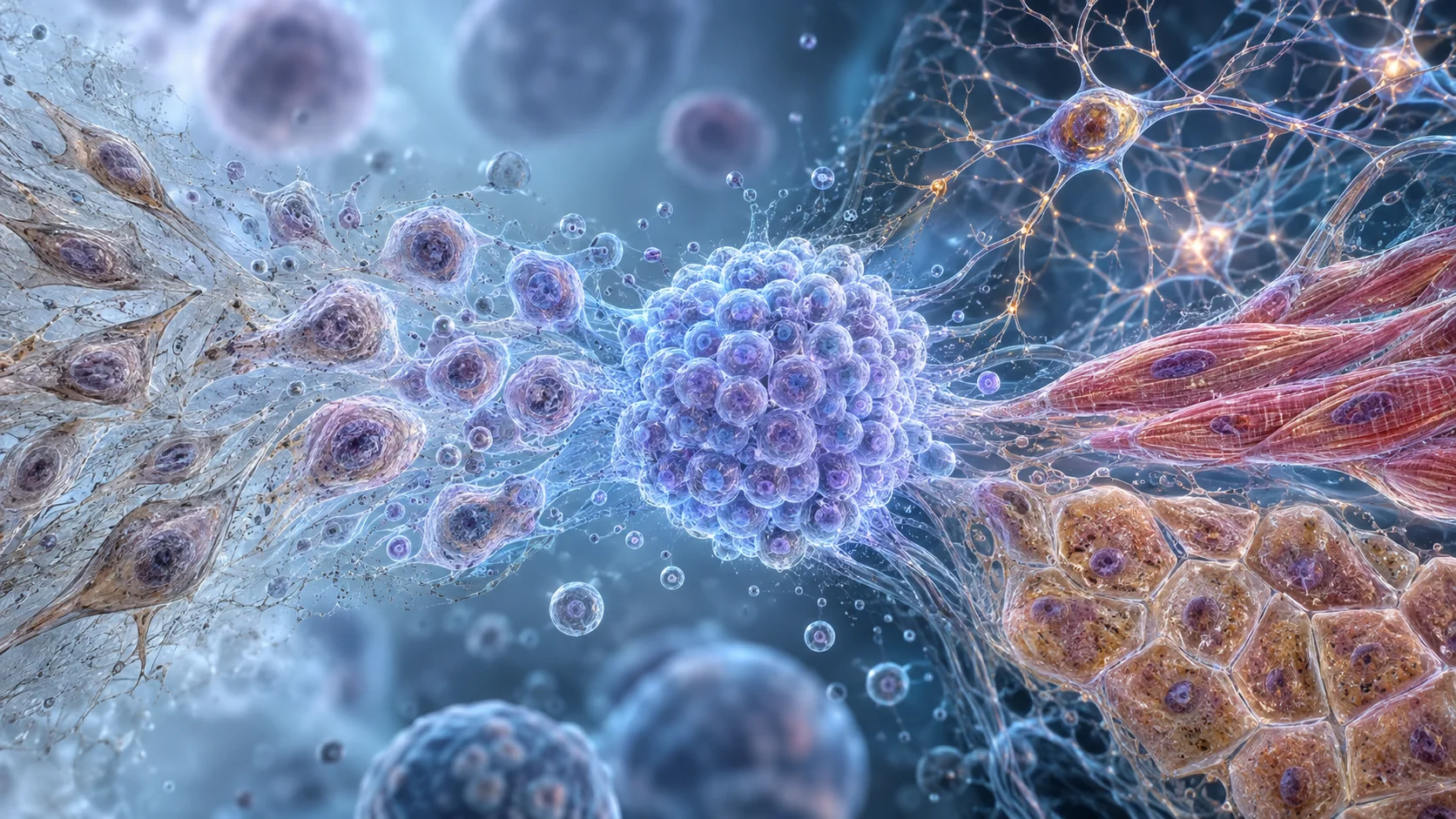
iPSCs in Human-Relevant Disease Modelling: From Reprogrammed Cells to Advanced In Vitro Systems
Understanding how human diseases develop requires models that can accurately reflect human biology. Traditional cell lines and animal models have played an important role in biomedical research, but they cannot always reproduce the complexity or patient-specific characteristics of human disease. Induced pluripotent stem cells (iPSCs) offer a different approach. By