Animal-free test technologies use a variety of techniques to replace, reduce, or refine the use of animals in scientific research and product safety testing. Some of these techniques include:
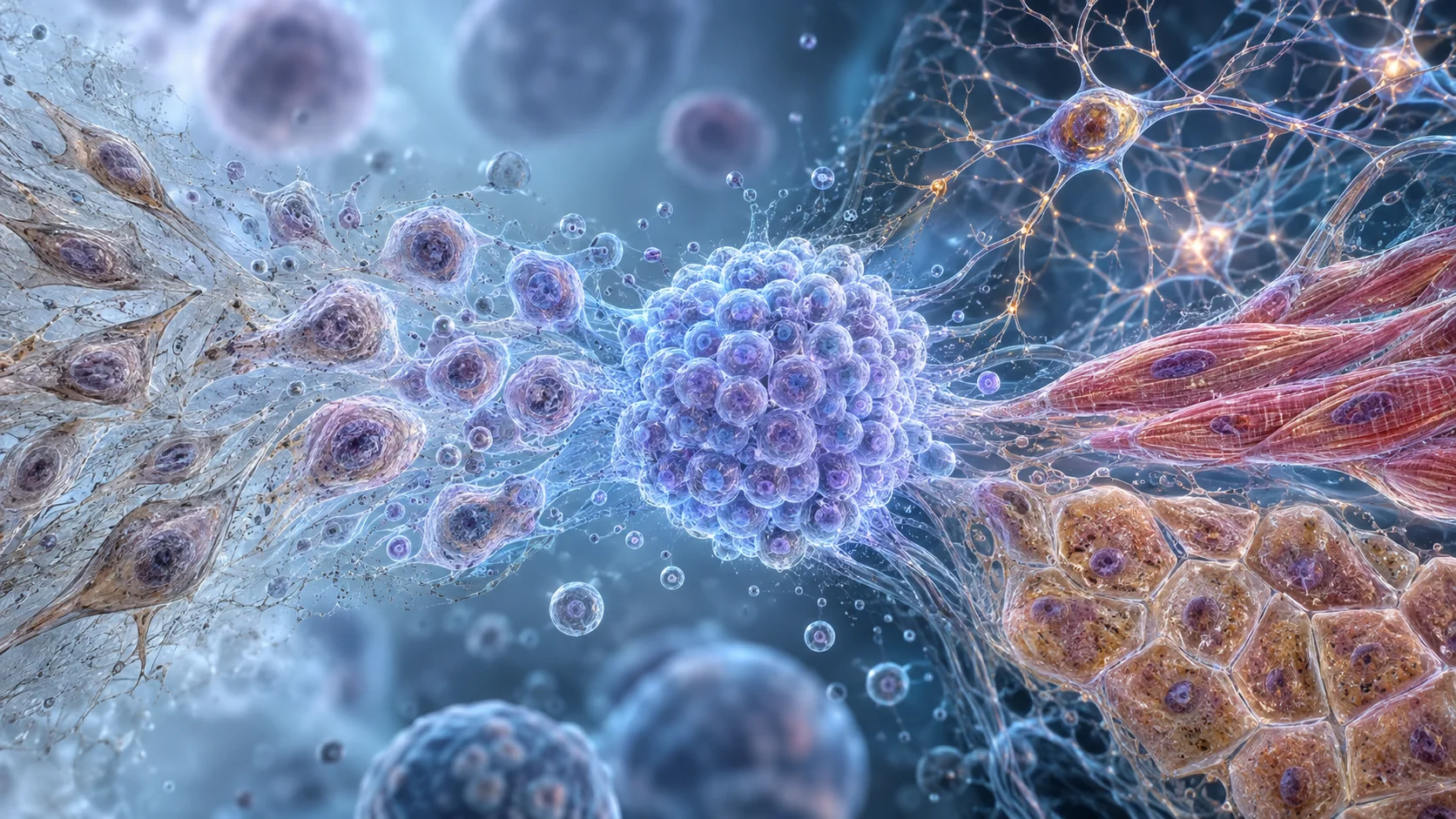
- In vitro cell and tissue cultures: These involve growing cells or tissues in a laboratory setting to observe their response to different stimuli.
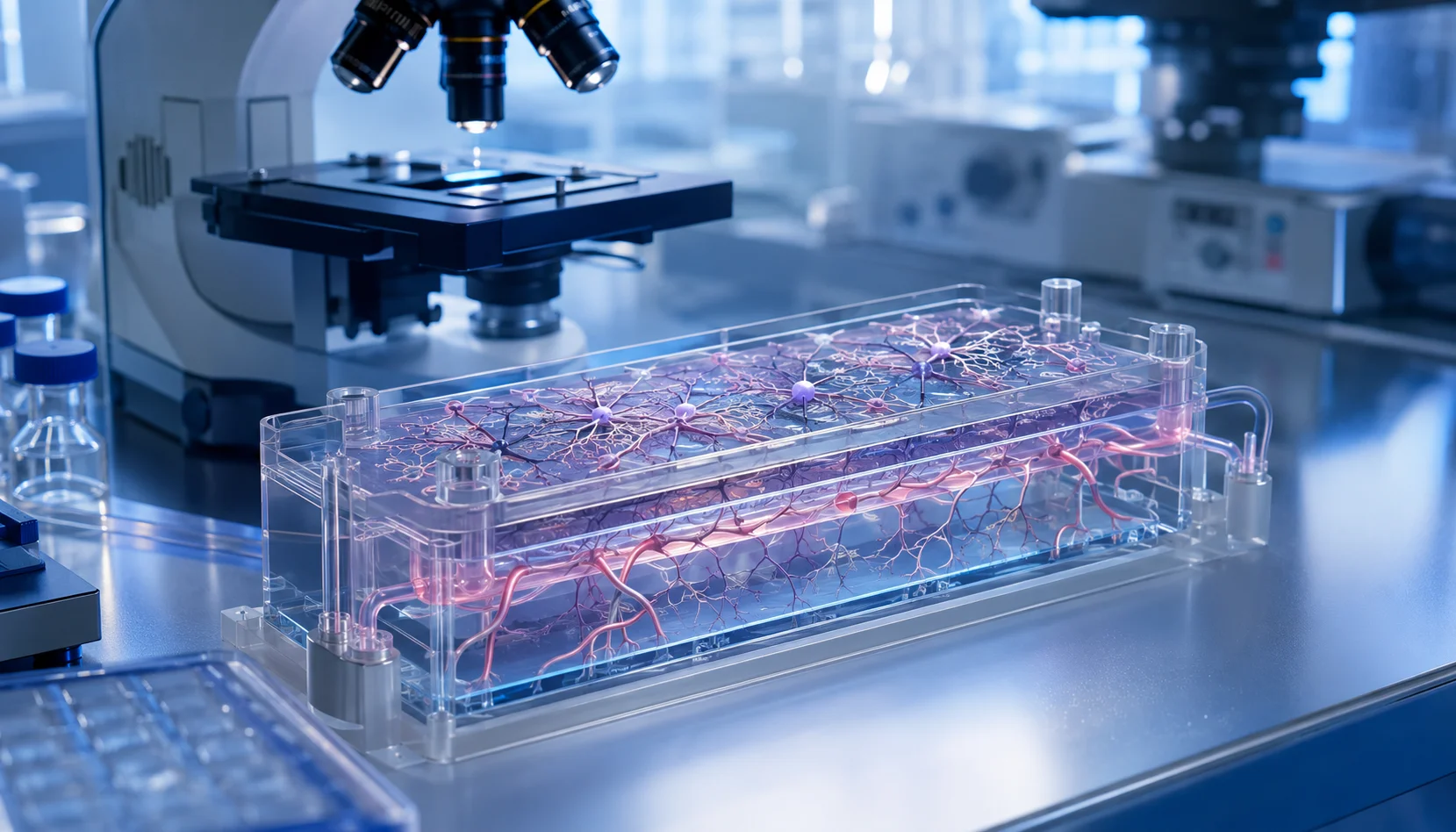
- Microfluidic devices: These use microscale channels to simulate the environment of tissues and organs in the body, allowing researchers to test the effects of drugs and chemicals on them.
- Computer models and simulations: These use computer algorithms to predict the potential effects of drugs and chemicals on the body.
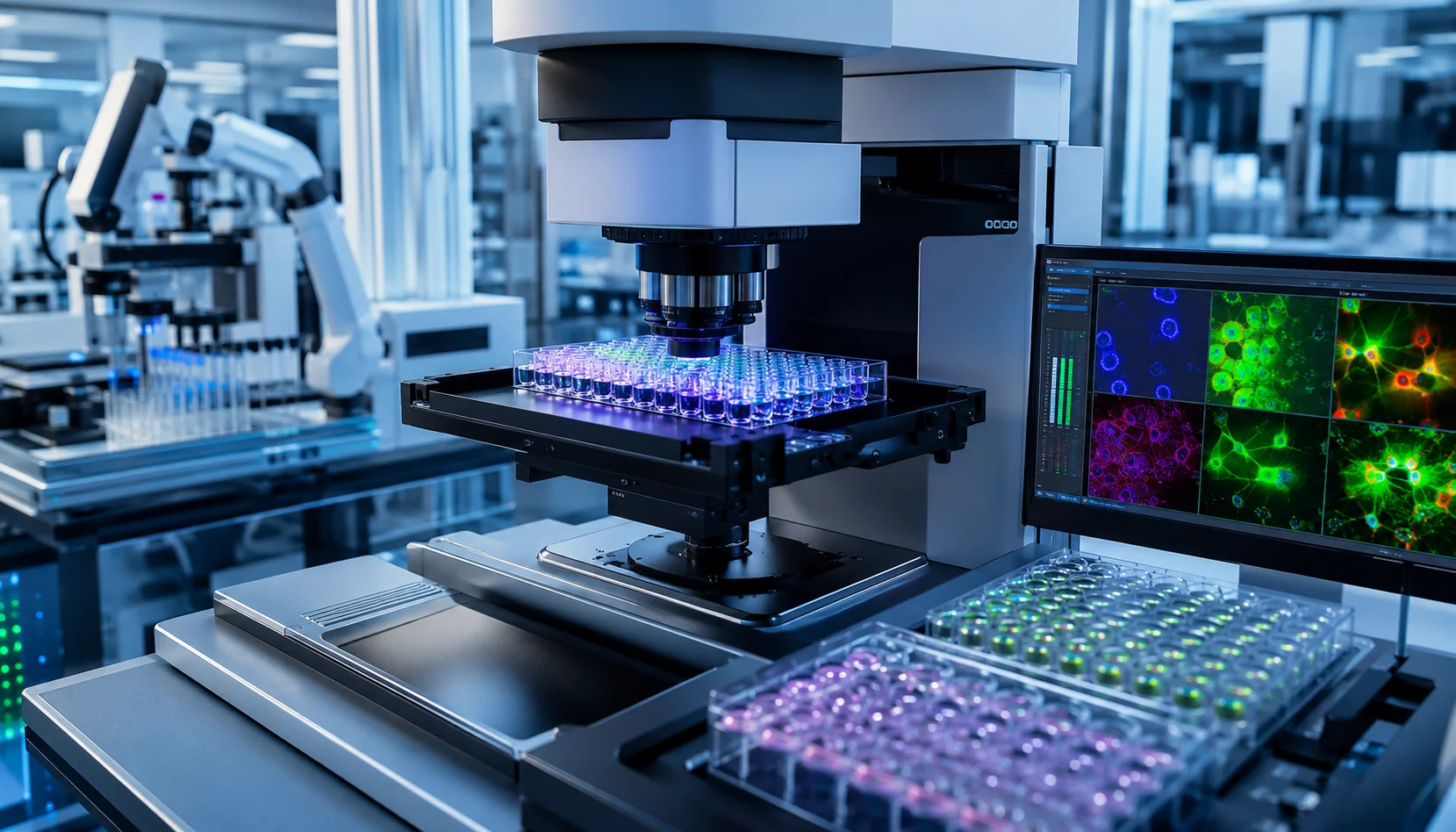
- High-throughput screening: This involves testing thousands of chemicals at once in automated assays, which can speed up the screening process and reduce the need for animal testing.
- Organ-on-a-chip technologies: These use microfluidic devices to recreate the structure and function of specific organs in the body, allowing researchers to test the effects of drugs and chemicals on them in a more accurate and realistic way.
- 3D printing of tissues and organs: This allows researchers to create models of tissues and organs using bioinks, which can be used to test the effects of drugs and chemicals.
Overall, these techniques offer a more ethical, scientifically valid, and cost-effective approach to testing the safety and efficacy of products, drugs, and chemicals, and are becoming increasingly important in scientific research and product development.