Patient-Derived Organoids: Bringing Personalized Medicine into the Laboratory
Every patient is unique, and so is their response to treatment. This variability has driven the growing interest in personalized medicine, where therapies are tailored to an individual’s biology rather than relying on a one-size-fits-all approach. One of the most promising tools supporting this shift is the patient-derived organoid (PDO). Created from a patient’s own cells, these three-dimensional models closely resemble the structure and function of the original tissue, allowing researchers to study diseases and evaluate potential therapies in a more clinically relevant way.
What Are Patient-Derived Organoids?
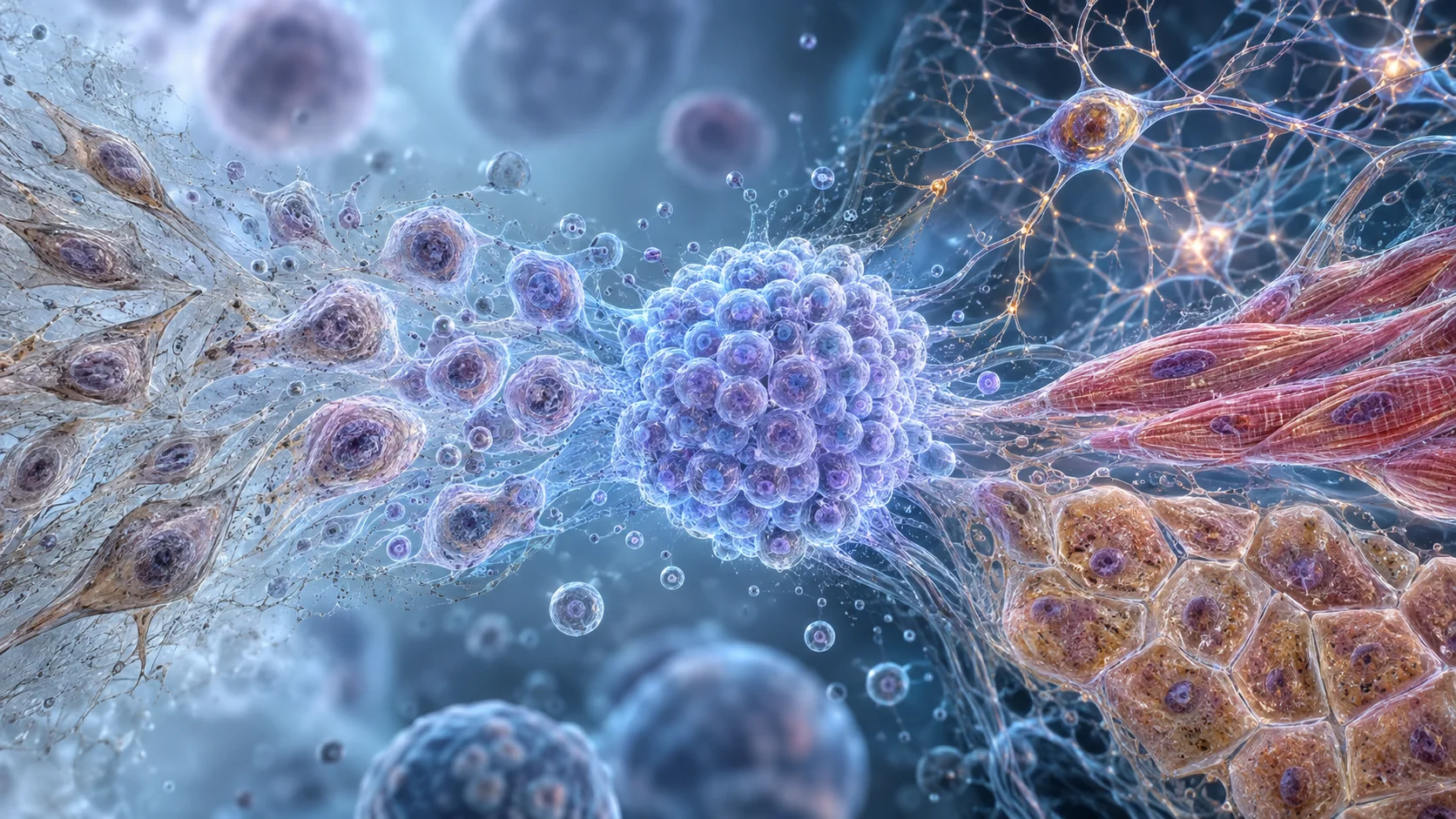
Patient-derived organoids are miniature, three-dimensional tissue models grown from cells obtained through biopsies or surgical samples. Unlike conventional 2D cell cultures, PDOs preserve many of the biological characteristics, genetic profiles, and cellular diversity found in the original tissue.
Because they maintain patient-specific features, organoids provide researchers with models that more accurately reflect human biology and disease progression, making them valuable tools for biomedical research and drug development.
Why Are PDOs Important?
Traditional laboratory models often struggle to capture the complexity of human diseases. Patient-derived organoids help bridge this gap by offering a model that better represents individual patient biology.
Their ability to preserve tissue architecture and genetic characteristics allows researchers to investigate disease mechanisms, evaluate therapeutic responses, and identify potential biomarkers with greater confidence. As interest in human-relevant research continues to grow, PDOs are becoming an important component of next-generation in vitro models.
Applications in Drug Discovery and Precision Medicine
Patient-derived organoids are widely used in cancer research, where they enable scientists to evaluate how individual tumors respond to different treatment strategies before clinical application. Beyond oncology, they are increasingly being explored in studies of gastrointestinal, neurological, and genetic diseases.
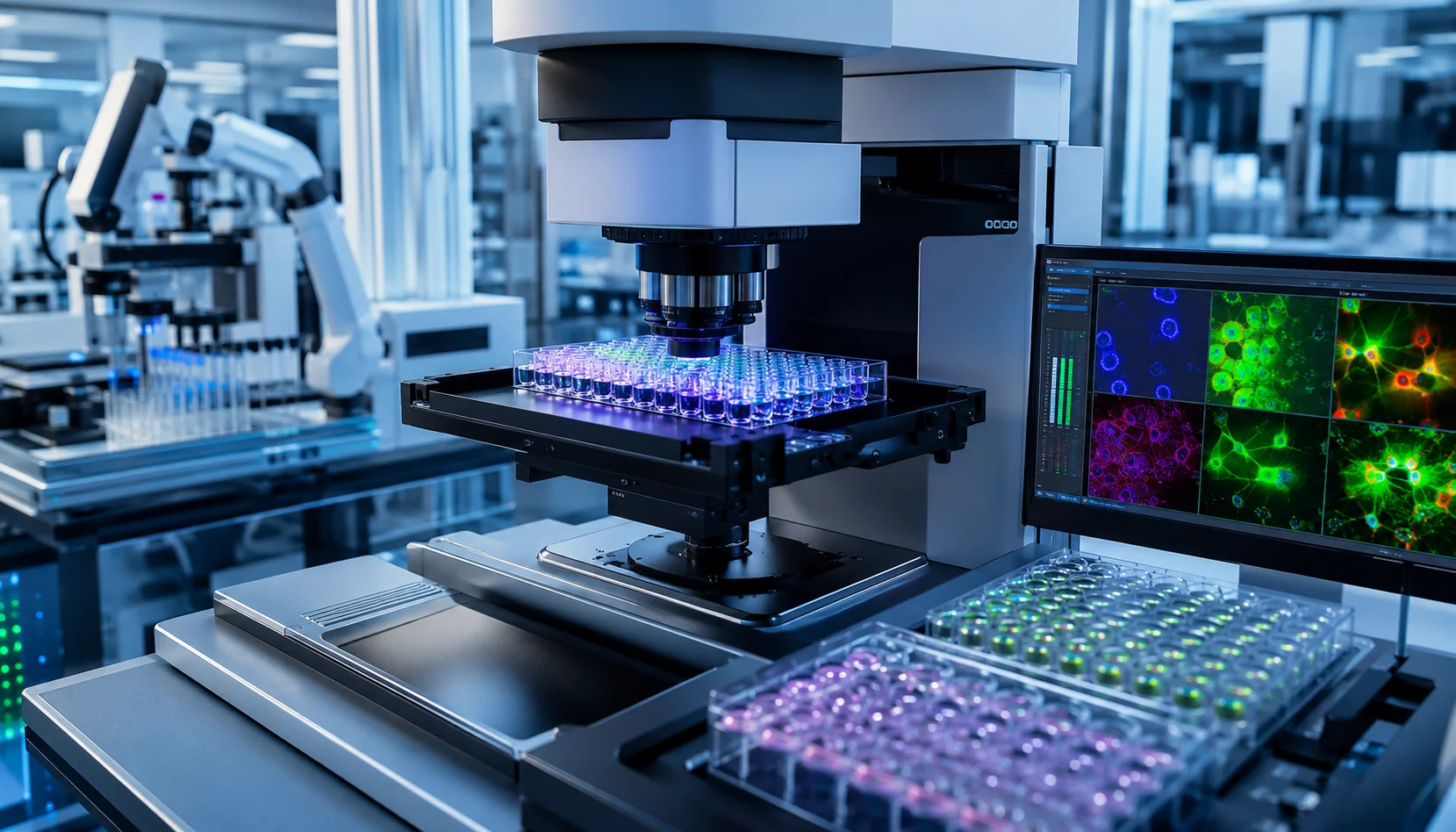
PDOs also support drug screening by allowing multiple therapeutic candidates to be tested on patient-specific models, helping researchers better understand treatment variability and identify the most promising approaches for further development.
Challenges and Future Perspectives
Although patient-derived organoids offer significant advantages, several challenges remain. Standardizing culture methods, reducing variability between laboratories, and incorporating additional components such as immune cells and vascular networks are active areas of research.
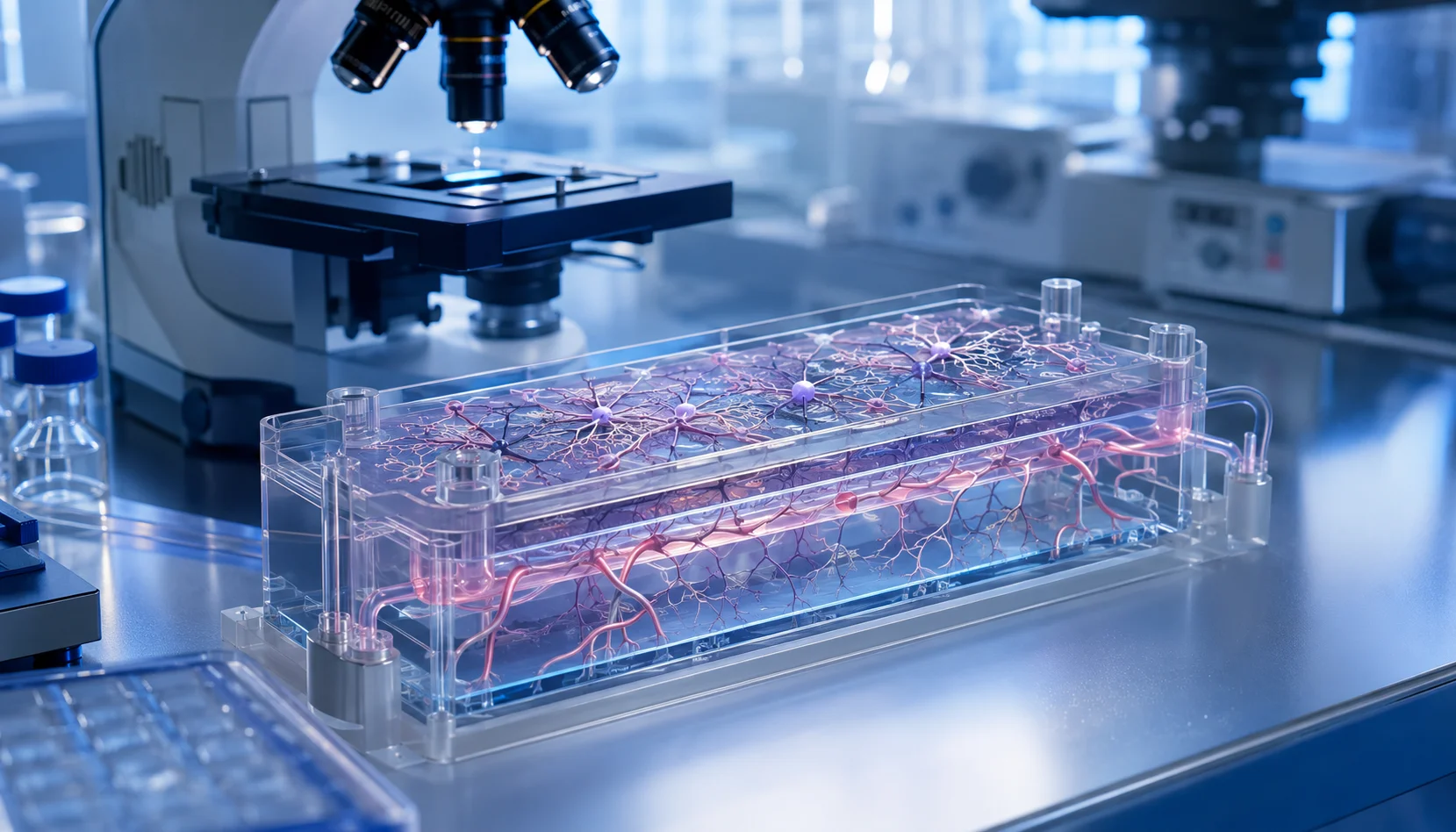
As organoid technology continues to evolve alongside microphysiological systems, organ-on-a-chip platforms, and advanced imaging technologies, these models are expected to play an increasingly important role in preclinical research and the future of precision medicine.
Conclusion
Patient-derived organoids are transforming the way researchers study human diseases and develop new therapies. By preserving the unique biological characteristics of individual patients, these models provide a more predictive platform for drug discovery, disease modeling, and personalized medicine. As technology continues to advance, PDOs are expected to become an essential part of more accurate, human-relevant, and animal-free biomedical research.