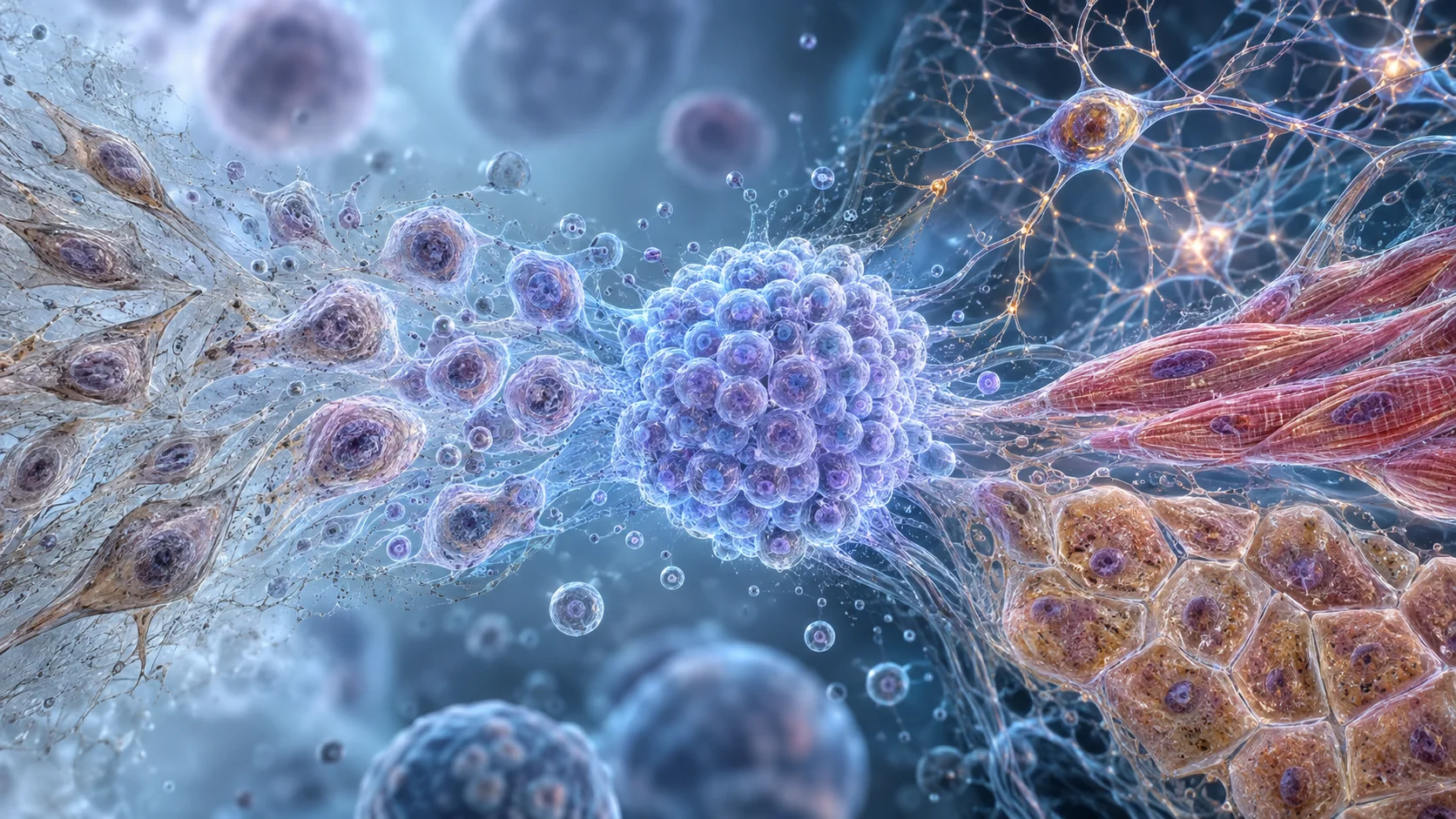
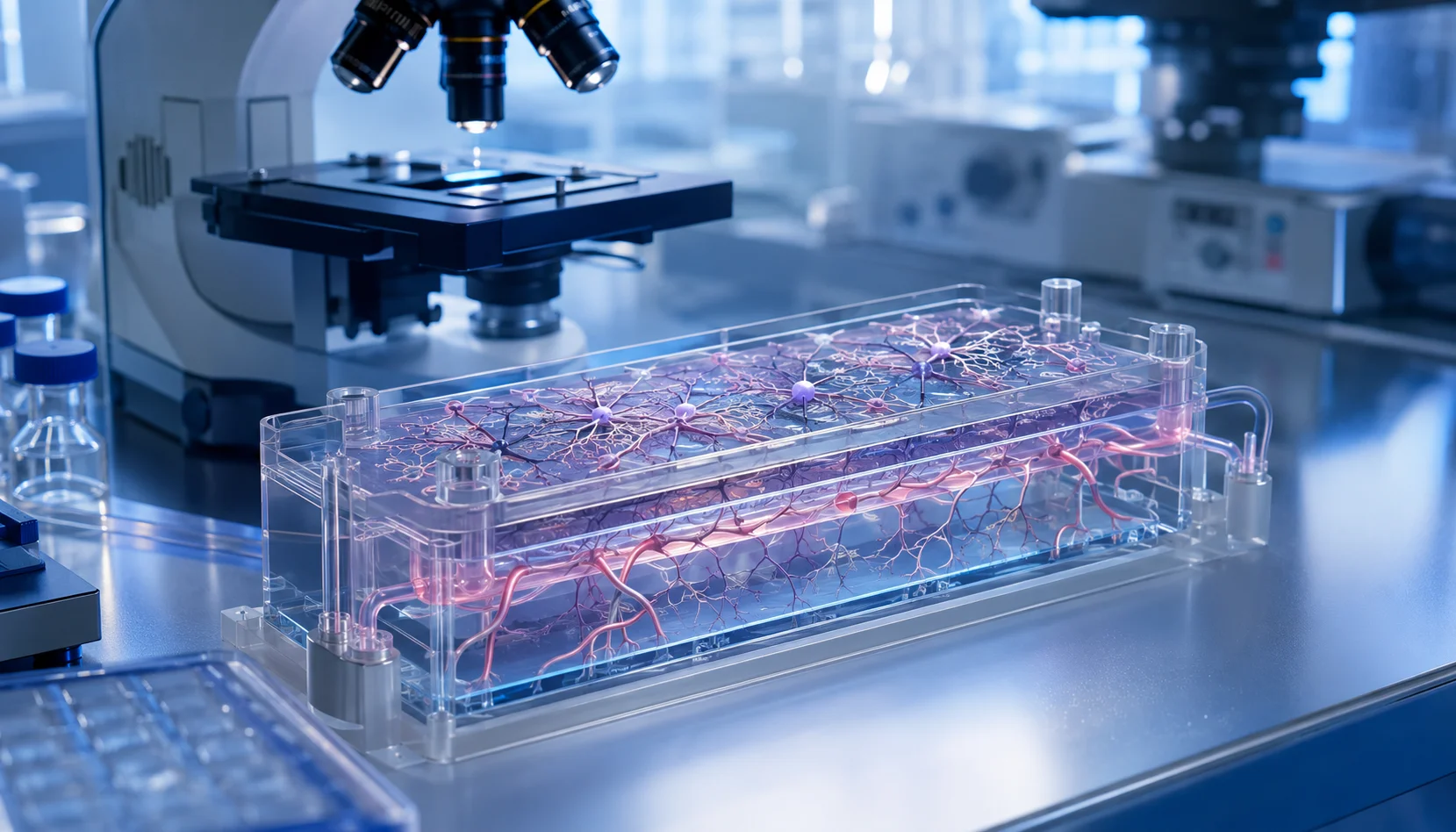
The field of in vitro toxicology involves the use of in vitro (Latin for “in glass”) techniques to study the effects of chemicals, drugs, and other substances on living cells and tissues, with the goal of identifying potential toxic effects and reducing or eliminating the need for animal testing. In vitro toxicology is an interdisciplinary field that brings together experts in areas such as cell biology, toxicology, chemistry, and engineering.
The field of in vitro toxicology has become increasingly important in recent years, as concerns about the safety of chemicals and consumer products have grown, and as there has been a growing movement towards the use of more ethical and humane approaches to scientific research. In vitro techniques allow researchers to test the effects of substances on specific cells and tissues in a controlled laboratory setting, without the use of live animals.
Some specific areas of research within the field of in vitro toxicology include:
- Development and validation of in vitro methods for safety testing of chemicals and consumer products
- Use of in vitro techniques to identify mechanisms of toxicity and to understand the underlying biology of toxic effects
- Development of alternative testing methods to replace, reduce, or refine the use of animals in safety testing
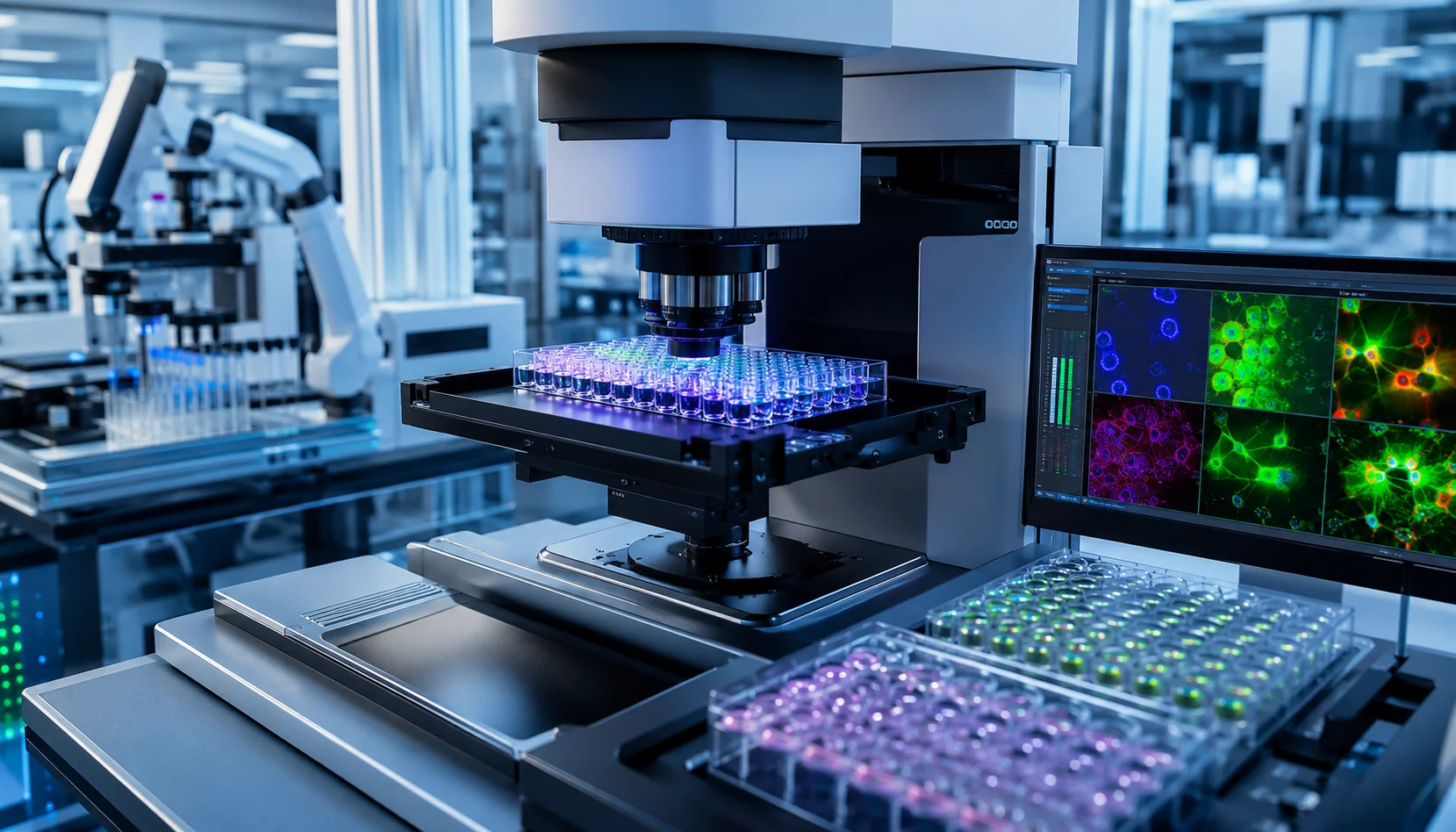
- Development of high-throughput screening methods to enable faster and more efficient testing of large numbers of substances
- Integration of in vitro techniques with other approaches, such as computer modeling, to enable more accurate predictions of toxicity.
Overall, the field of in vitro toxicology plays an important role in ensuring the safety of chemicals and consumer products, while also promoting the use of more ethical and humane approaches to scientific research.