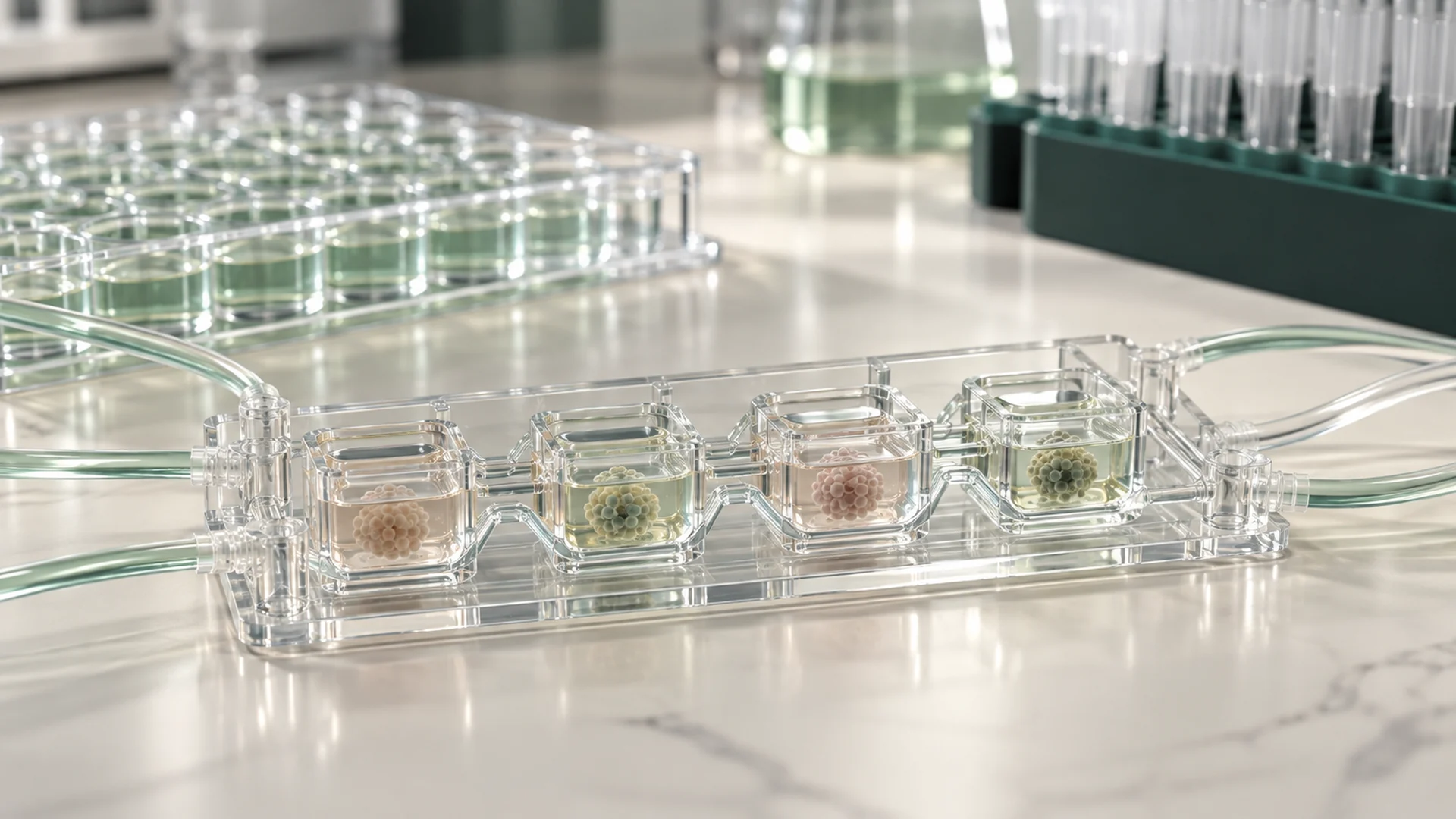
In vitro toxicology is a rapidly developing science and will form the basis of future toxicology testing¹. There have been great advances in material science and bio-engineering, creating exciting new microfluidic devices which are well placed for the development of in vitro multi-organ systems². All of these advances have allowed us to better understand the mechanisms of how cells deal with chemical induced cellular perturbations².
In addition, the global In Vitro Toxicology Testing market size is projected to reach multimillion USD by 2029, with unexpected CAGR during the forecast period⁴.
Source: Conversation with Bing, 3/19/2023(1) “The future of in vitro toxicology” – ScienceDirect. https://www.sciencedirect.com/science/article/pii/S0887233314001891 Accessed 3/19/2023.
(2) “The future of in vitro toxicology” – PubMed. https://pubmed.ncbi.nlm.nih.gov/25450745/ Accessed 3/19/2023.
(3) In Vitro Toxicology Testing Market is Booming in Near Future 2023-2028 …. https://www.marketwatch.com/press-release/in-vitro-toxicology-testing-market-is-booming-in-near-future-2023-2028-2023-02-23 Accessed 3/19/2023.
(4) Frontiers in Toxicology | In Vitro Toxicology. https://www.frontiersin.org/journals/toxicology/sections/in-vitro-toxicology Accessed 3/19/2023.
(5) “The future of in vitro toxicology” – PubMed. https://pubmed.ncbi.nlm.nih.gov/25450745/ Accessed 3/19/2023.
(6) The Future of Toxicology: An Industry Case Study. https://www.technologynetworks.com/drug-discovery/blog/the-future-of-toxicology-an-industry-case-study-294970 Accessed 3/19/2023.